
Facial Chemical Peels
Chemical peels use chemical exfoliants to lower the pH of skin dissolving specific skin components depending on the depth of the peel. This process differs from mechanical exfoliation, which physically removes dead skin cells from the surface.
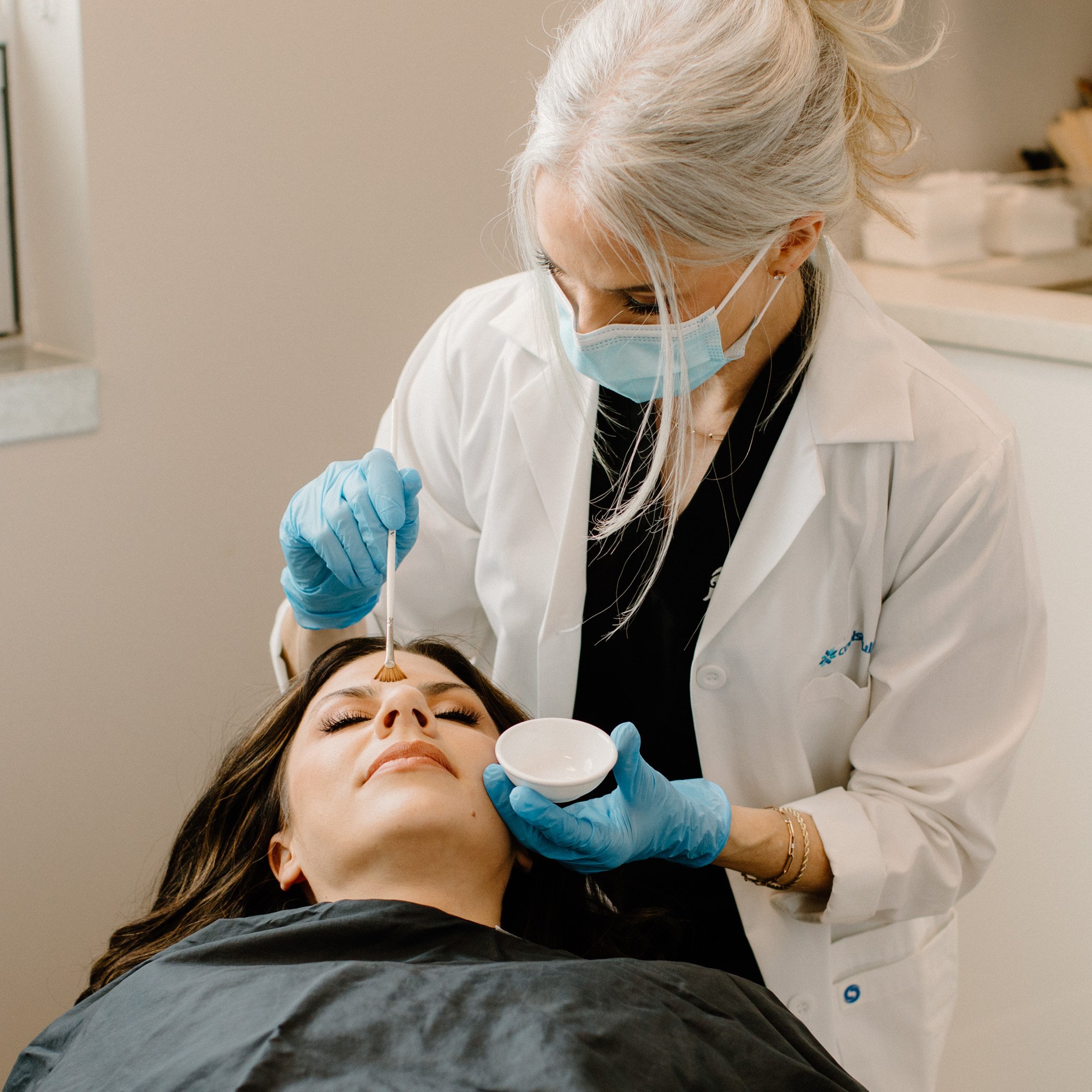
More than just exfoliation, chemical peels:
induce changes in the skin that leads to a healthier epidermis
improve dermal volume
stimulate collagen
improve tone (lift pigment)
improve texture & smooth skin
Superficial (light) peels – treat the epidermis (top skin layer) and
exfoliate to various depths in the outermost layer (epidermis) by dissolving desmosomes (Velcro-like keratin bonds) that keep dead skin cells attached at the surface.
use ingredients that cause programmed cell death in the deeper epidermis, which then stimulates cellular renewal to replenish skin with new cells.
Medium depth peels – treat through the papillary dermis and
use ingredients/protocols that not only act in the epidermis but reach deeper into the skin layers to cause inflammation and the wound healing cascade, leading to new tissue growth.
Deep peels – treat through the reticular dermis
use ingredients/protocols that can cause protein coagulation and cell necrosis (accidental cell death that can be triggered by external threats).
require more downtime.
increase side effects and risks (photosensitivity, pigment changes and scarring).
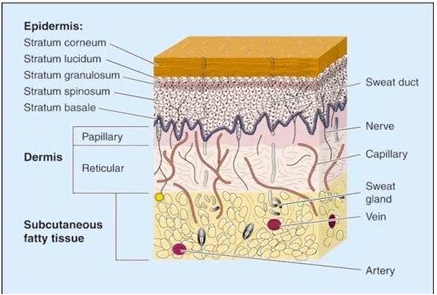
Chemical peels can be classified based on the “depth” of the treatment:
We offer superficial to medium depth peels from AlumierMD:
Exceptional results with a strong safety profile
Repeat treatments with gradual increases in intensity are recommended to achieve results comparable to a deep peel while avoiding the risks associated with aggressive resurfacing. This staged approach allows us to progressively improve skin texture, tone, and clarity without the downtime and complications of a deep peel.
AlumierMD peel formulas use pure, stable acids that do not degrade or denature. This consistency ensures predictable, reliable treatment effects and safer outcomes across sessions.
Chemical peel protocols at Midwest Laser Centre are customized and often enhanced with additional steps—selected based on skin type and concerns—such as therapeutic masks, a brightening accelerator, and topical retinoids. These adjuncts amplify results while supporting skin health.
Side effects are minimal with AlumierMD protocols. Many clients experience little to no visible peeling yet still notice meaningful improvements in skin quality, pigmentation, and radiance.
A consultation at Midwest Laser Centre is recommended before booking any treatment. This step ensures the appropriate procedures are selected and advises what you should expect during and after treatment.
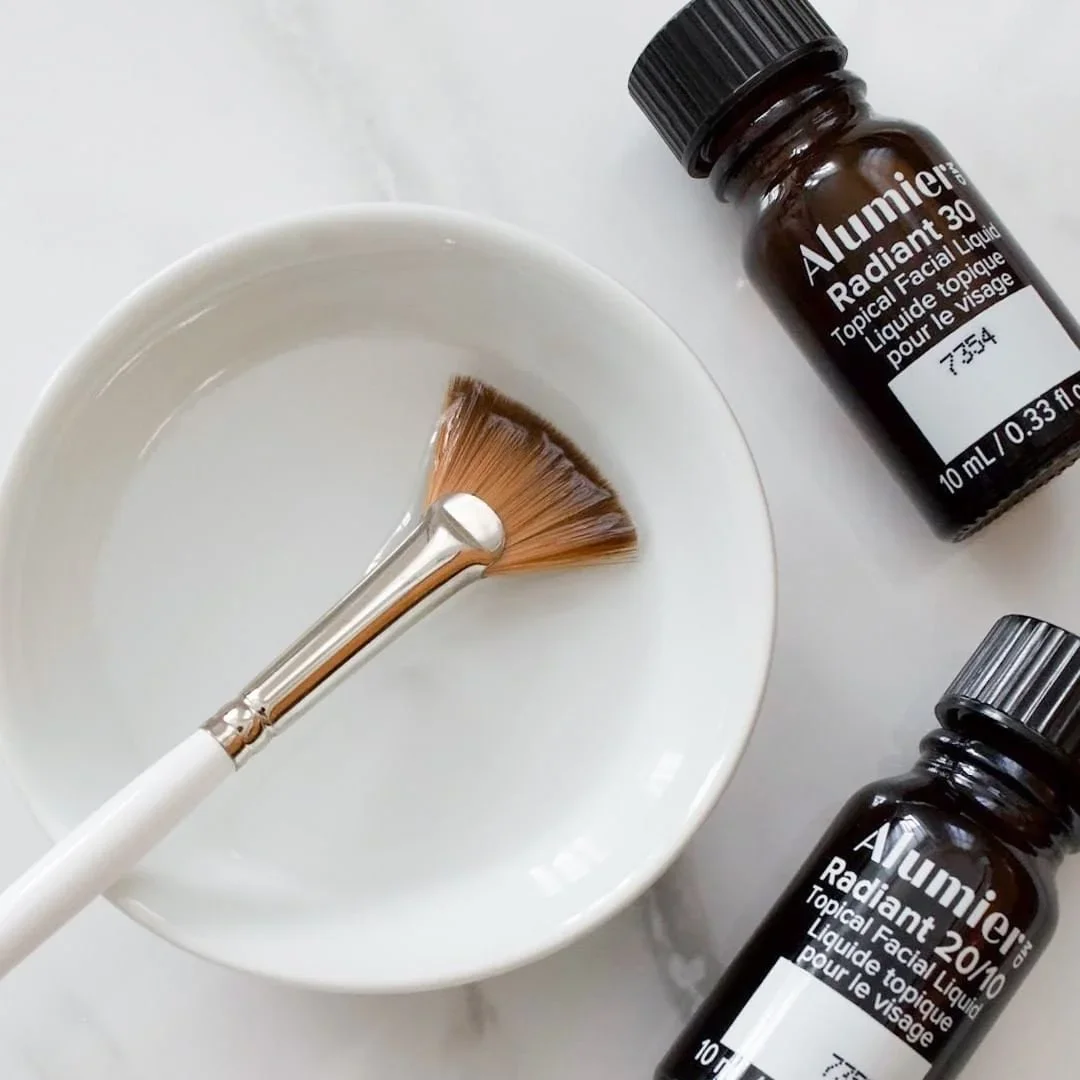
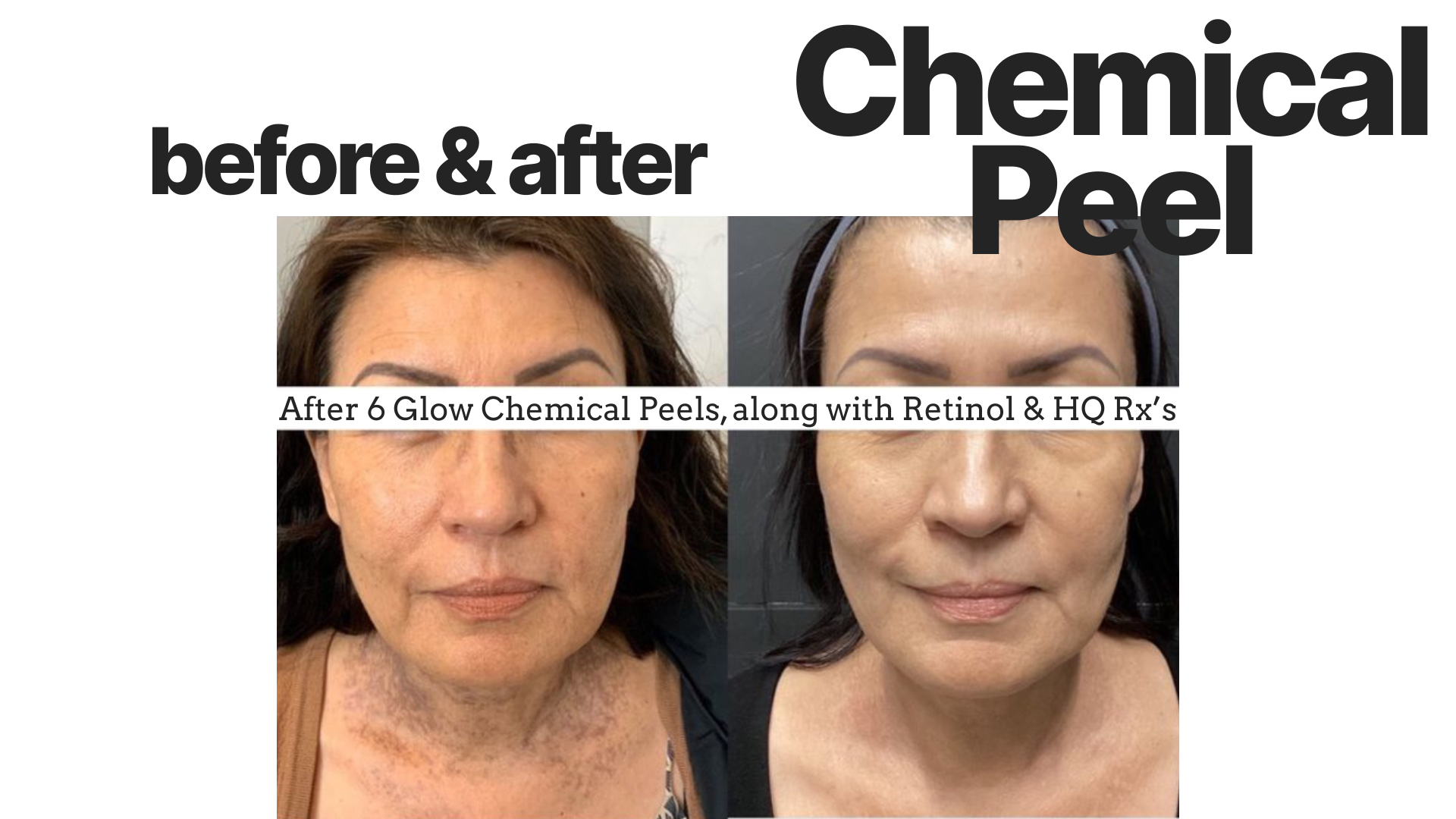
The AlumierMD Chemical peels offered at Midwest Laser Centre include:
Renew 30:
superficial peel single acid peel of 30% lactic acid
naturally found in milk and part of the alpha-hydroxy acid family
can be utilized to prepare skin before other treatments to enhance results
can be customized to penetrate more deeply during a longer treatment
usually causes minimal skin shedding
excellent for skin brightening & smoothing before an event
BHA (Beta-hydroxy acid) 20:
a superficial to medium depth peel of 20% salicylic acid
a beta-hydroxy acid exfoliates and has anti-inflammatory properties
is oil-soluble, able to penetrate pores to effectively exfoliate, control sebaceous secretions and help prevent acne outbreaks and ingrown hairs
little to no “peeling”
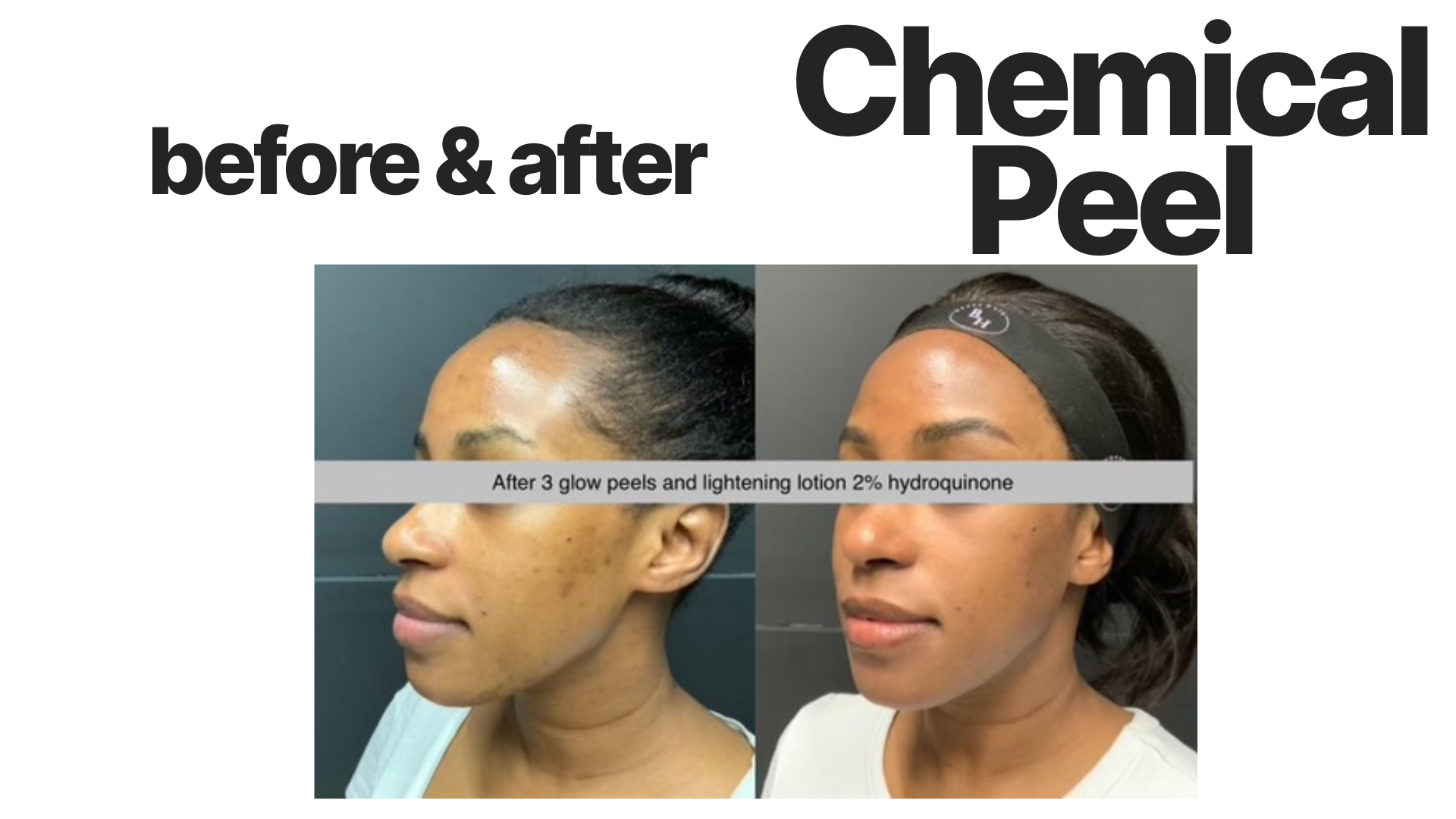
Glow Peel:
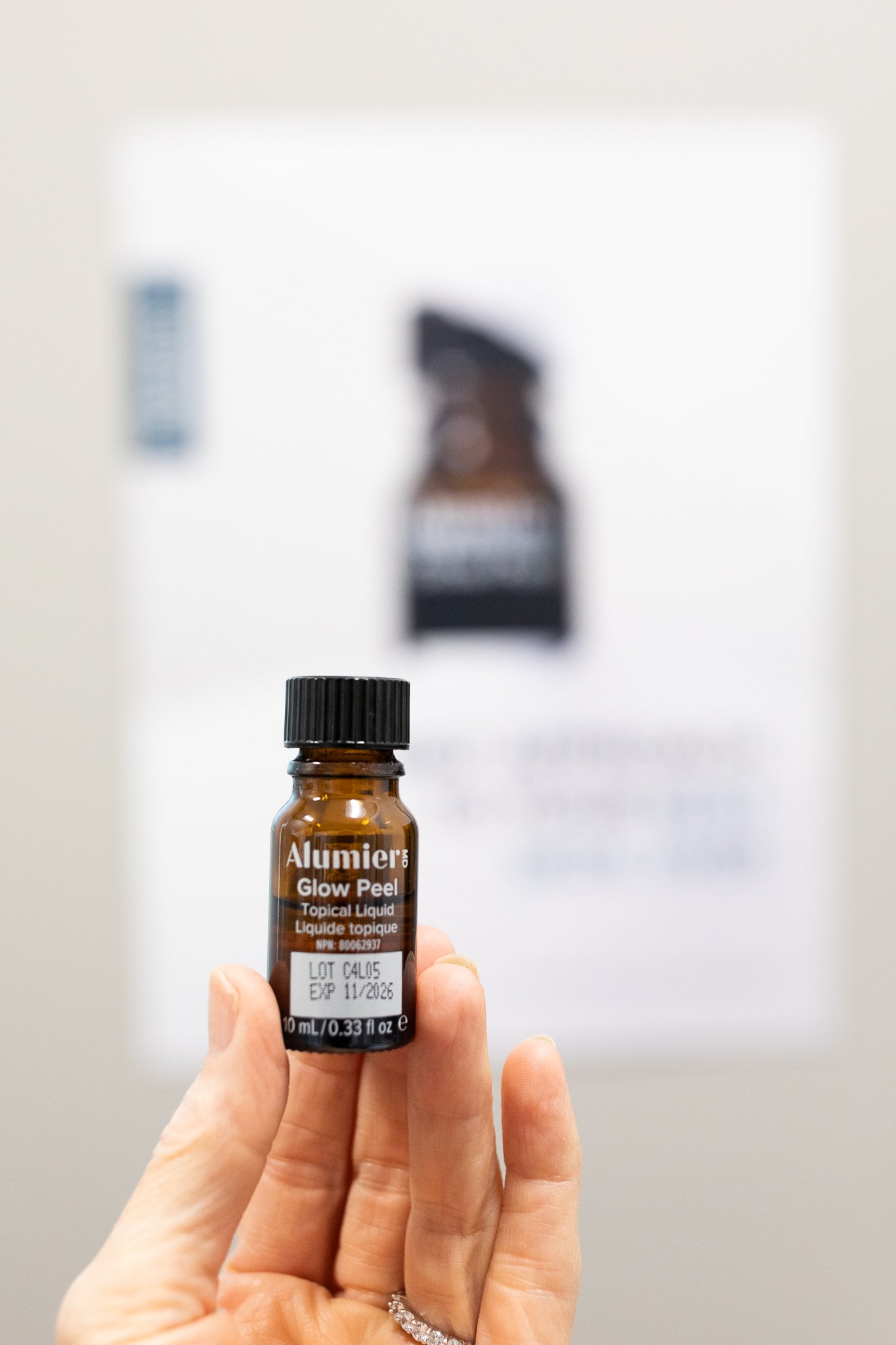
modified Jessner formulation with 7% lactic acid, 7% salicylic acid, and 7% resorcinol (both alpha and beta hydroxy acids, plus resorcinol, a more aggressive peeling agent with antiseptic qualities)
can be depth-modified (superficial to medium depth) based on the number of layers applied
self-neutralizing peel (for eight hours after treatment skin is not to get wet – no sweating, washing, or steam)
some shedding or peeling may occur (two to five days)
Power Glow:
14% lactic acid, 14% salicylic acid, and 14% resorcinol
medium depth peel
for safety, patients must have built toward to a glow peel and tolerated peels well before using the Power Glow
not recommended for darker skin types (Fitzpatrick IV – VI)
self-neutralizing peel (for eight hours after treatment skin is not to get wet – no sweating, washing, or steam)
some shedding or peeling might occur (two to five days)
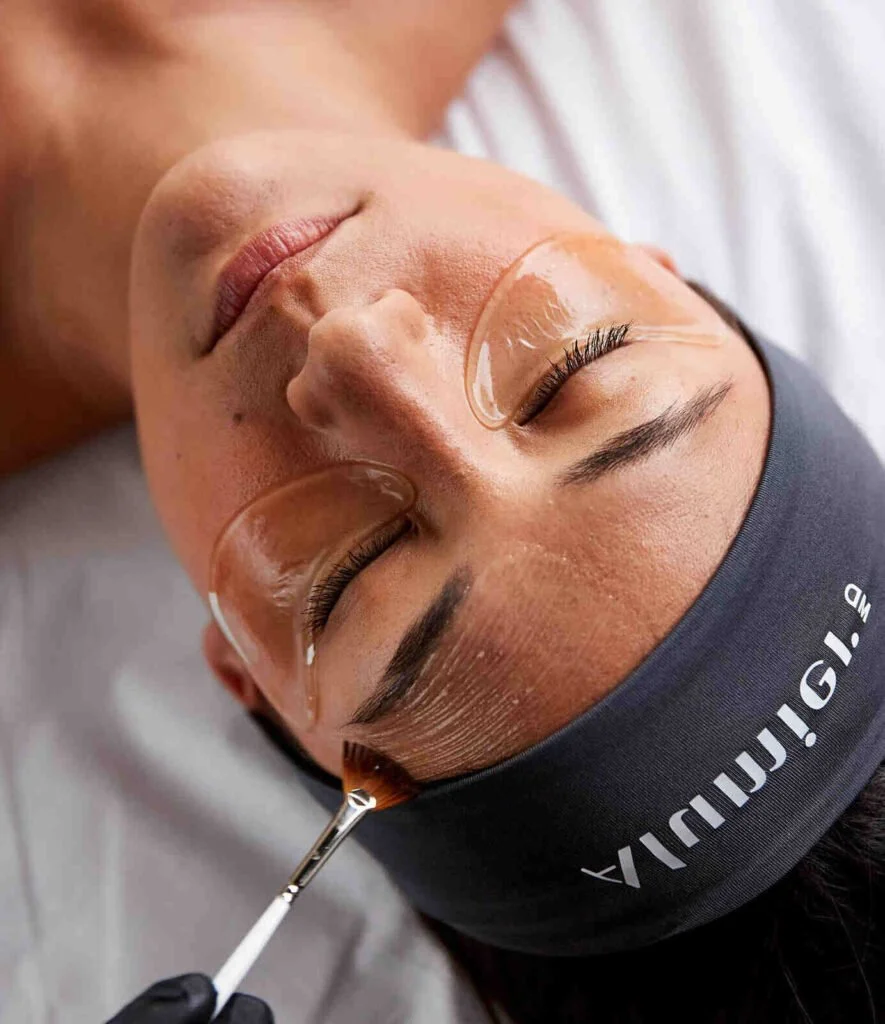
Pre-treatment considerations:
Chemical peels are not suitable if you:
o are pregnant or lactating
o have had a cold sore (HSV1) in the last seven days
o have taken Accutane or tretinoin in the past three months
o have undiagnosed skin lesions
o have a sunburn
Specific skin care regimes pre-treatment may be recommended during your consultation to enhance results and/or prevent complications such as hyperpigmentation (if you are at risk).
o Avoid retinols, AHAs, BHAs, and hydroquinone for five to seven days prior.
o Use sunscreen before treatment (a tan is acceptable if SPF has been used)
Discuss timing your chemical peel during your consultation if injectable or laser or energy-based treatments are part of your treatment plan.
If you have a history of herpes simplex (cold sores) it is recommended you take prophylactic antiviral medication (Valtrex can be prescribed during your consultation or during your service).
Do not shave the area within 24 hours of treatment.
Arrive at your appointment with clean, make-up free skin.
During the treatment:
Photos are routinely taken at Midwest Laser Centre for documentation prior to treatment and to follow results.
Consent is taken, ensuring understanding of the treatment, typical results, post-treatment recommendations, and possible side effects and risks.
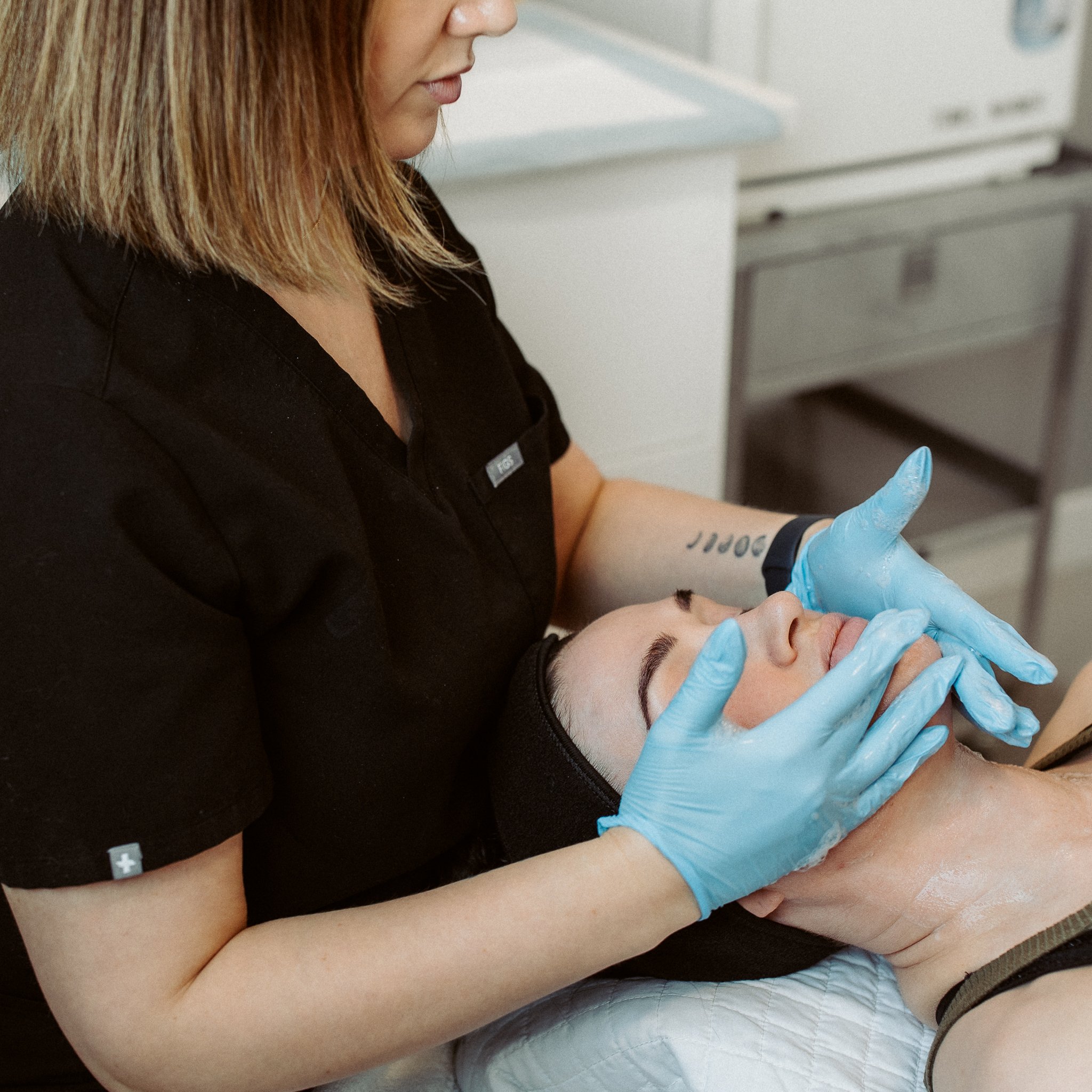
Your face/treatment area will be cleansed to prepare for the chemical peel.
Depending on the chemical peel type/protocol, the skin is prepared with a texturizing enzyme or mask.
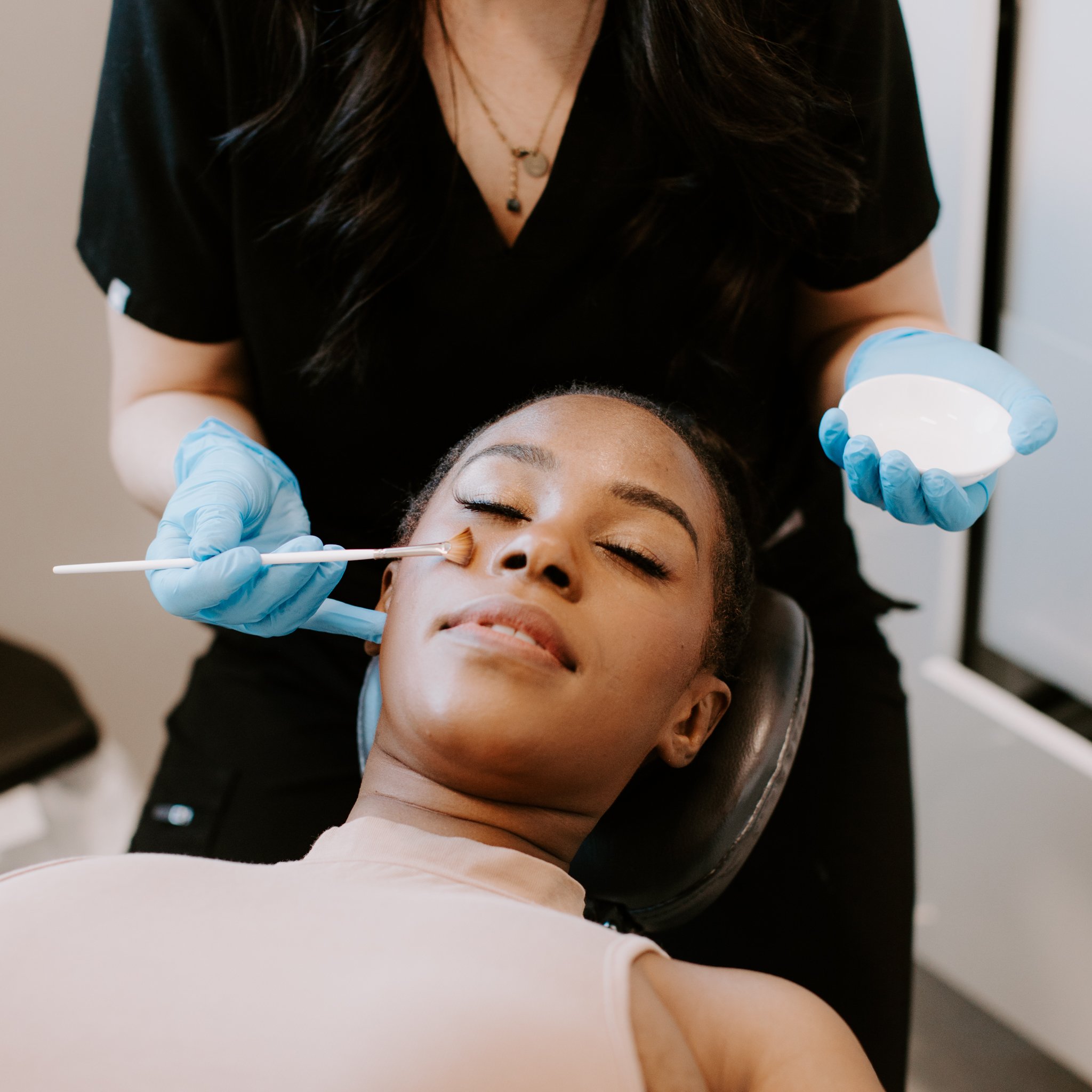
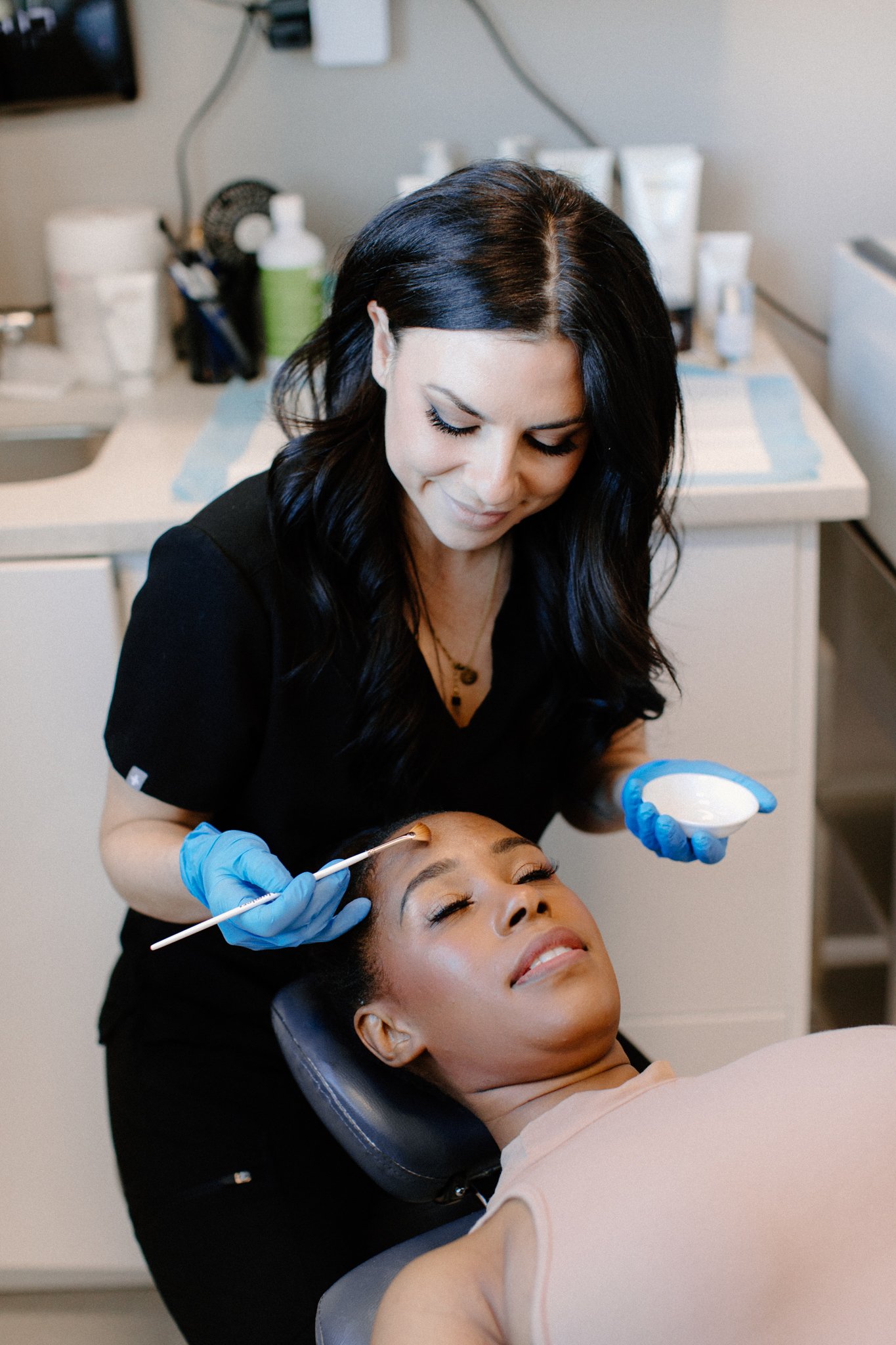
The chemical(s) will be applied and your skin’s response will be assessed both visually and with your feedback about irritation (a tingling to burning sensation).
A recovery balm and sunscreen will be applied to finish the treatment.
Post-treatment expectations and side effects:
AlumierMD chemical peels result in minimal downtime, however, you may experience redness, tightness, itchiness, sensitivity, and/or mild swelling for up to 24 hours, which is normal.
Depending on the type of chemical peel, dryness, peeling or flaking may occur for two to five days; to reduce risk of hyperpigmentation and scarring do not pick, peel, or exfoliate loose skin
The degree of peeling does not reflect the efficacy of the procedure.
Your skin must not get wet for a minimum of eight hours after a Glow or Power Glow treatment.
You must avoid direct sun exposure, hot tubs, steam, excessively hot showers, swimming , and sweating for 48 hours.
Avoid applying AHAs and BHAs for 48 hours.
Retinols, mechanical exfoliation or facial scrubs should be avoided for seven days after a chemical peel.
Avoid electrolysis, shaving, threading, waxing, or laser facial hair removal for seven days.
Sunscreen use is imperative post chemical peel.
Follow the recommended skin care protocol discussed during consultation/treatment.
Two or more treatments are needed to target the deeper skin layers and to observe the initial results.
Your Pre & Post Care.
Common Questions
-
That depends on the strength of the peel. With a light peel, you may notice little more than mild dryness or fine flaking for a few days. Medium-depth peels produce more visible peeling, which usually starts on day two or three and lasts about five to seven days. Your provider will choose a peel based on your skin goals and how much downtime works for your schedule. In some cases there is minimal visible peeling, but that does not reflect on efficacy of the chemical peel as the treatment is stimulating the renewal and better function of your epidermis.
-
Chemical peels remove damaged outer layers of skin to reveal smoother, brighter skin underneath. They can improve dullness, uneven tone, sun damage, fine lines, enlarged pores and acne. Chemical peels give a fresh glow and build results gradually over a series. A series of chemical peels deliver more noticeable change to pigmentation and texture from a single treatment.
-
Chemical peels can be repeated every 2 to 6 weeks, usually as a series of 3 to 6 treatments. Your provider will build a schedule that fits your skin and your goals.
-
Yes. We just do not want you to have a sun burn or any irritation to your skin prior to the chemical peel. It is also important to avoid sun exposure after the chemical peel. Freshly peeled skin is more sensitive to the sun and more likely to develop pigmentation. Avoid direct sun exposure and tanning for at least one to two weeks after your peel and wear a broad-spectrum SPF 30 or higher every day.
-
Connect with the clinic for pricing HERE.