
Rosacea
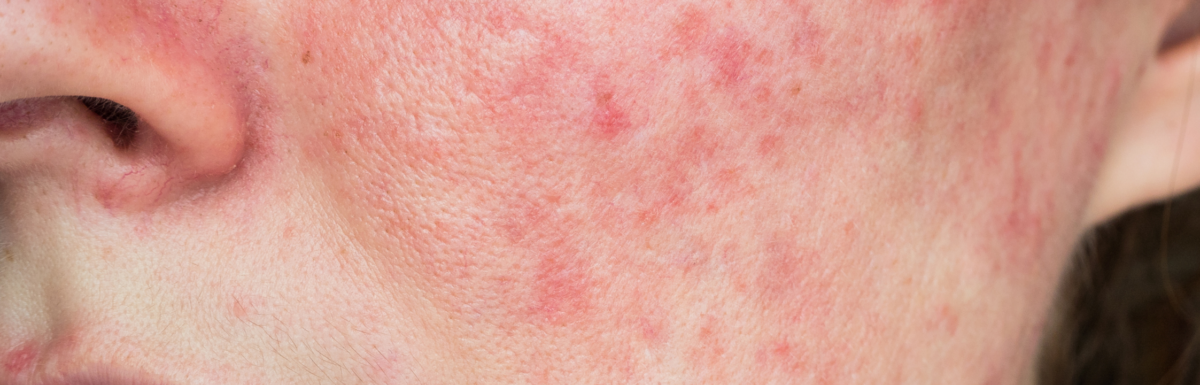
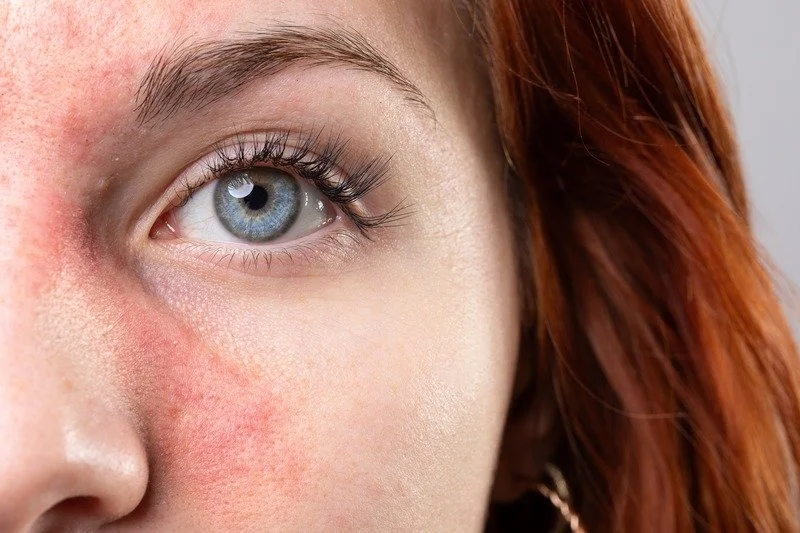
Rosacea is a chronic inflammatory skin condition that primarily affects the face. it is initially characterized by intermittent facial flushing and can progress to persistent redness, visible blood vessels, and in some, bumps and pimples. Some individuals experience burning and stinging, gritty dry eyes, and facial swelling.
The exact cause of rosacea is unknown. Research suggests environmental triggers (UV, heat, stress) activate genetically predisposed people, causing immune dysregulation, neurovascular dysfunction, and dermal matrix breakdown with fibrosis. Increased inflammation to skin mites and possible small‑bowel microbiome shifts may worsen the inflammatory response.
The bottom line is that something irritates the skin leading to chronic inflammation with intermittent flare-ups.
Rosacea can be classified into common subtypes based on clinical presentation.
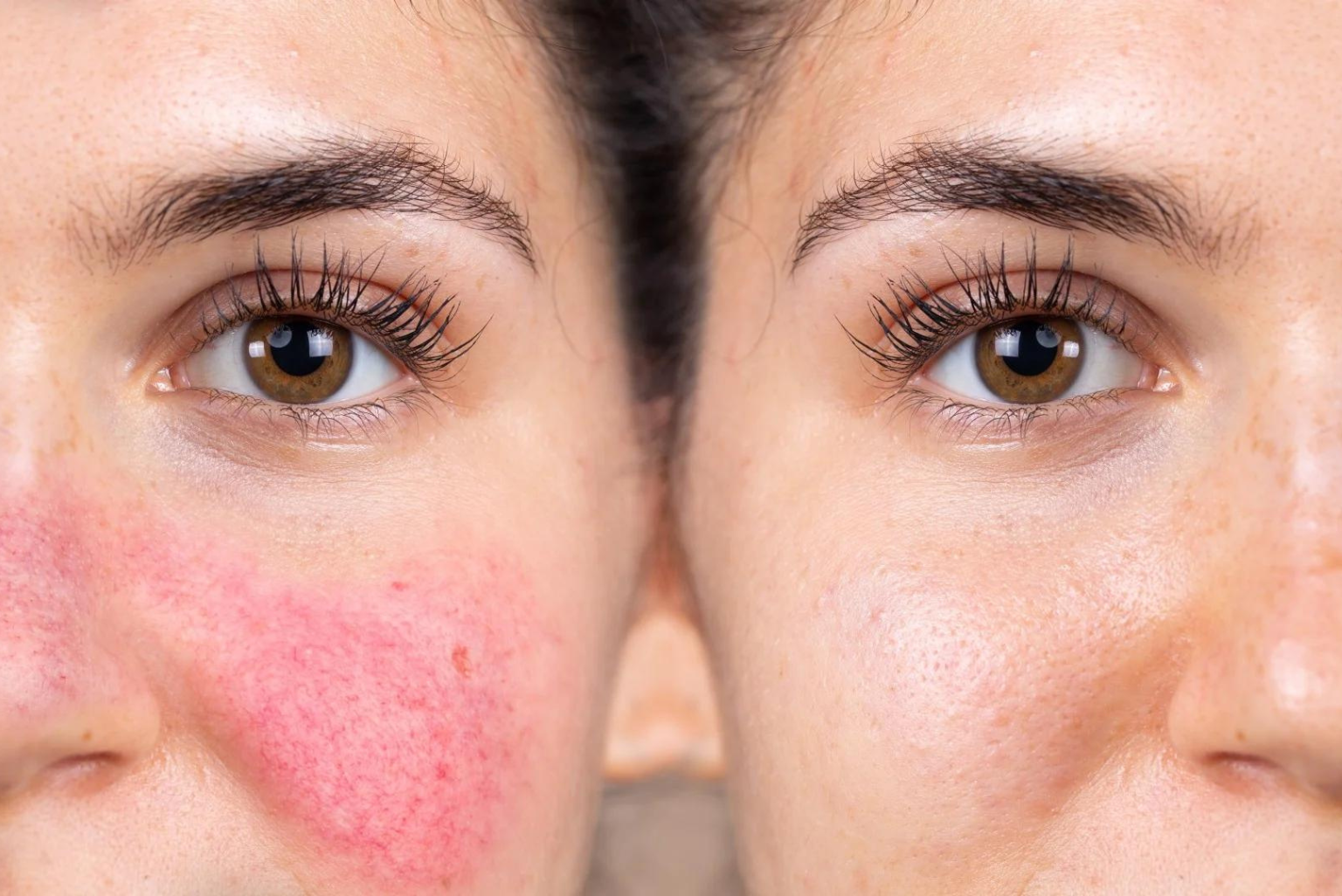
Erythematotelangiectatic: Persistent facial redness, flushing, and visible "spider veins" (telangiectasias) is the most common form of rosacea.
Papulopustular: Inflammatory "adult acne" characterized by red bumps and pus-filled pimples.
Phymatous: Skin thickening and enlargement, most commonly affecting the nose (rhinophyma), giving it a bulbous appearance, is less common and affects males > females.
Ocular: Affects the eyes, causing them to feel gritty, dry, or look bloodshot and watery.
If skin is sensitive and damaged, it does not cope with daily aggressors. Flare-ups are often brought on by environmental or lifestyle factors that increase blood flow to the skin's surface. Some common triggers include:
Sun exposure, wind, pollution, and extreme hot or cold temperatures.
Spicy foods, alcohol (especially red wine), and hot beverages like coffee or tea.
Intense exercise and emotional stress.
Skincare containing alcohol, fragrance, or harsh exfoliants.
Treatment options at Midwest Laser Centre:
Despite daily skincare and/or prescription medications, rosacea may remain problematic or flare, as it is a chronic condition.
At Midwest Laser Centre we use treatments to specifically target the superficial epidermal blood vessels and minimize the skin’s inflammation, and to help remodel the dermal connective tissue and improve the skin barrier.
A consultation at Midwest Laser Centre is recommended to determine an individualized treatment plan, which may include one or a combination of the following treatment modalities:
· Pulsed-dye Laser (VBeam) or vascular lasers are the mainstay of therapy for rosacea. The specific wavelength allows selective absorption by oxyhemoglobin and hemoglobin (blood products) which leads to vessel reduction with minimal risk to surrounding tissue.
· Intensed Pulse Light (IPL) harnesses multichromatic light (multiple wavelengths of light) that target hemoglobin and reduces diffuse redness and vessels.
· RF Microneedling (Sylfirm X) can be used to strengthen the skin barrier and reduce redness using the pulsed-wave modality to enhance collagen production and improve the skin barrier.
Your recommended treatment plan includes continued management at home using medical grade skin care selected for your rosacea subtype and SPF to minimize UV exposure.
Management and Treatment
There is unfortunately no cure, but there are ways to manage rosacea. A combination of treatments is the best approach, with laser therapy anchoring the treatment plan.
Avoidance of triggers is recommended, but it can be difficult to always avoid them.
Daily targeted skincare that soothes redness, reduces sensitivity, and strengthens the skin barrier helps calm and improve the complexion.
Reinforce cellular protection with L-ascorbic acid.
The use of piperonlyl glucose and hannikitiol to strengthen blood vessel wall and manage bacteria.
Rebuild the hydrolipidic barrier and improve hydration with hyaluronic acid, peptides, niacinamide, and ceramides.
Use of soothing ingredients – poria cocos extract, Boswellia serrate extract, and honey.
Protect against UVB & UVA.
Shop for Calming Collection options online HERE
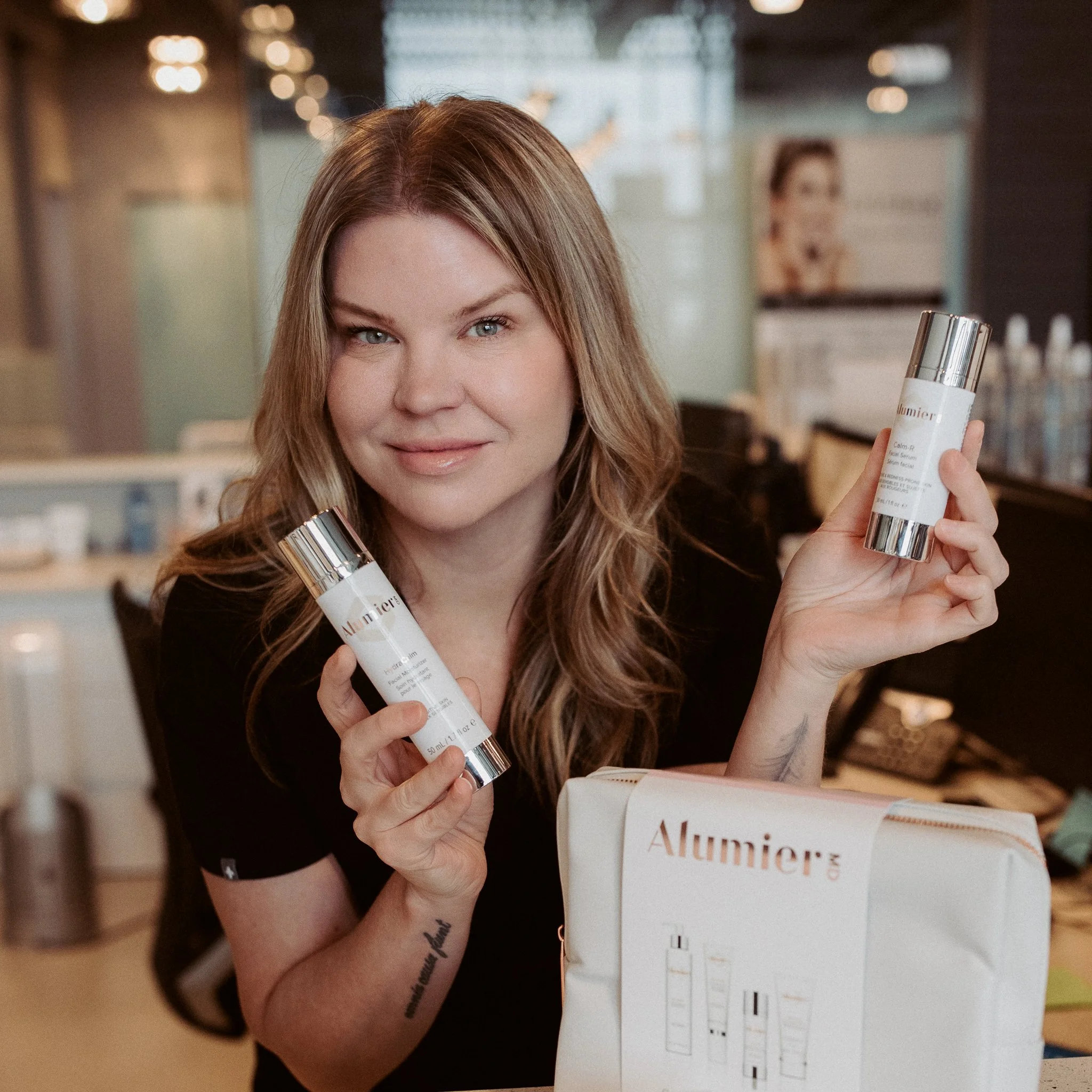
Book a consultation at Midwest Laser Centre for guidance on daily skincare with clinically proven ingredients to help treat rosacea. We carry AlumierMD skin care: Canadian, clean, and committed to skincare science by combining clinically proven ingredients with advanced technologies to deliver transformative results.
Prescription medications
Prescription medications may be recommended by your physician or dermatologist. The benefits and side effects/potential risks should be reviewed prior to initiating treatment. Options include:MetronidazoleAzelaic acidBrimonidineIvermactinLow-dose oral antibiotics such as Doxycycline
Common Questions
-
No. Rosacea is a chronic condition and there is currently no cure. However, PDL can significantly reduce many visible symptoms and may help patients maintain clearer skin for extended periods. Periodic maintenance treatments are often recommended.
-
The number of treatments varies depending on the severity of rosacea and your treatment goals.
Most patients require:
3 to 5 initial treatments
Treatments spaced approximately 4 to 6 weeks apart
Occasional maintenance treatments every 6 to 18 months, or as needed.
Some patients may achieve satisfactory improvement with fewer sessions, while others require ongoing maintenance.
-
Some improvement may be visible after the first treatment. However, optimal results typically develop gradually over several weeks and after multiple treatment sessions.
-
PDL primarily treats redness and blood vessels. While some patients notice improvement in inflammatory lesions, patients with significant bumps and pustules may also benefit from prescription medications, skincare recommendations, or other therapies as part of a comprehensive rosacea treatment plan.
-
Most patients experience 3 to 5 days of redness and swelling. Some patients may experience bruising which can last for up to two weeks before the skin returns to its usual appearance.
-
Results vary among individuals. Many patients enjoy improvement for months or years, particularly when rosacea triggers are well controlled. Because rosacea is a chronic condition, maintenance treatments are often recommended to preserve results.
-
It is recommended that topicals be stopped a few days before treatment and resumed when the side effects of redness and swelling from the laser treatment settle. Oral doxycycline is a light-sensitizing agent and should not be used during laser treatment series.