
Moles and Raised Lesions
Raised SKin Lesions
Treatment of raised skin lesions with an ablative laser is a cosmetic procedure that uses focused laser light to remove unwanted superficial, raised, or textured lesions by vaporizing tissue layer by layer.
Laser “ablation”(removal or resurfacing) is performed with either a carbon dioxide [CO2] laser or an Erbium YAG laser. Alternative ablative medical treatments include liquid nitrogen freezing, AKA “cryotherapy”, or electrical desiccation (cauterization technique).
Midwest Laser Centre uses ablative lesion removal because precise laser technology minimizes the scarring risk.
Only benign (non-cancerous) moles and lesions can be treated with laser or other ablative techniques, as no tissue sample remains for pathology or diagnosis.
Some of the common benign lesions treated with ablative laser resurfacing include:
Some moles, although benign, involve deeper layers of the skin. Laser ablation “resurfacing” of the mole can be performed to minimize the risk of scarring. Deep moles may recur in time after resurfacing. The physician may not recommend treatment if there is a risk of scarring or if a poor cosmetic outcome is predicted.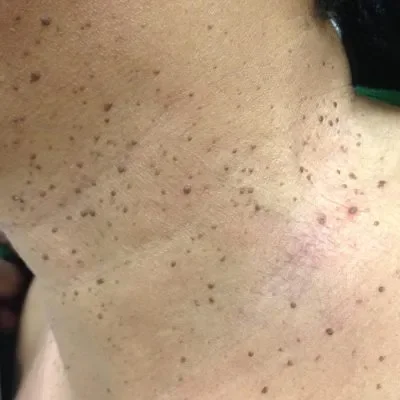
• dermatosa papulosa nigra (DPN)
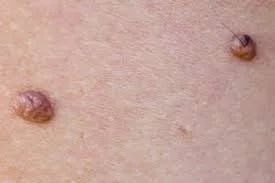
• superficial benign moles (nevus)**
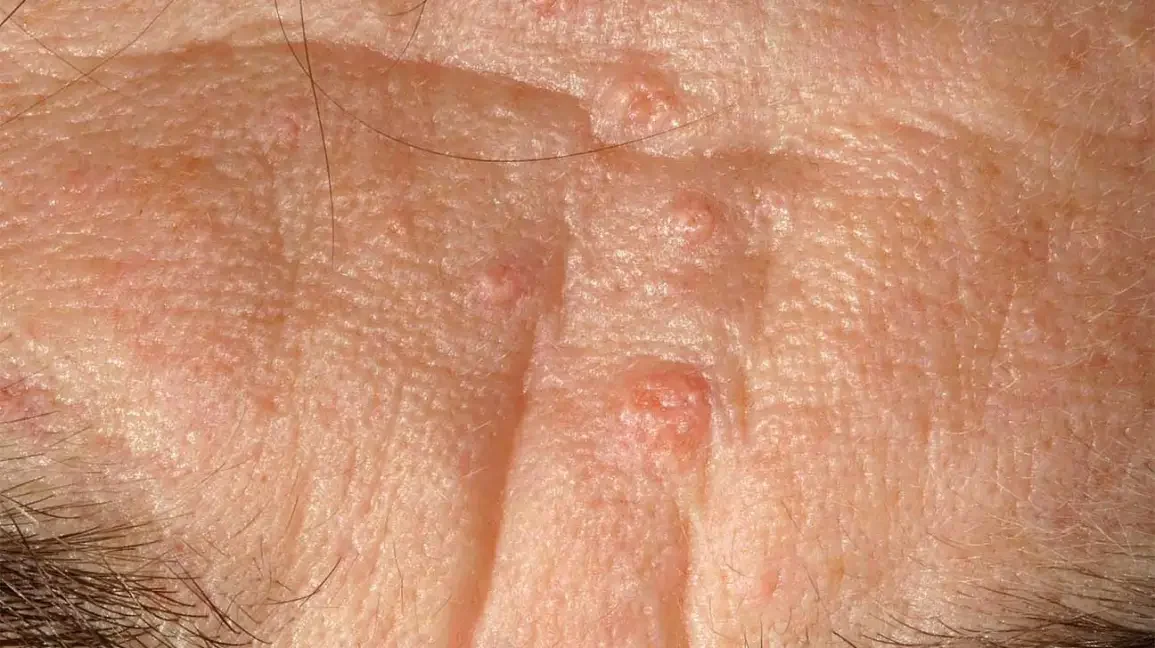
• seborrheic hyperplasia
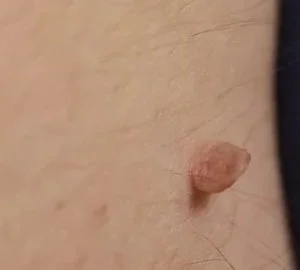
• skin tags
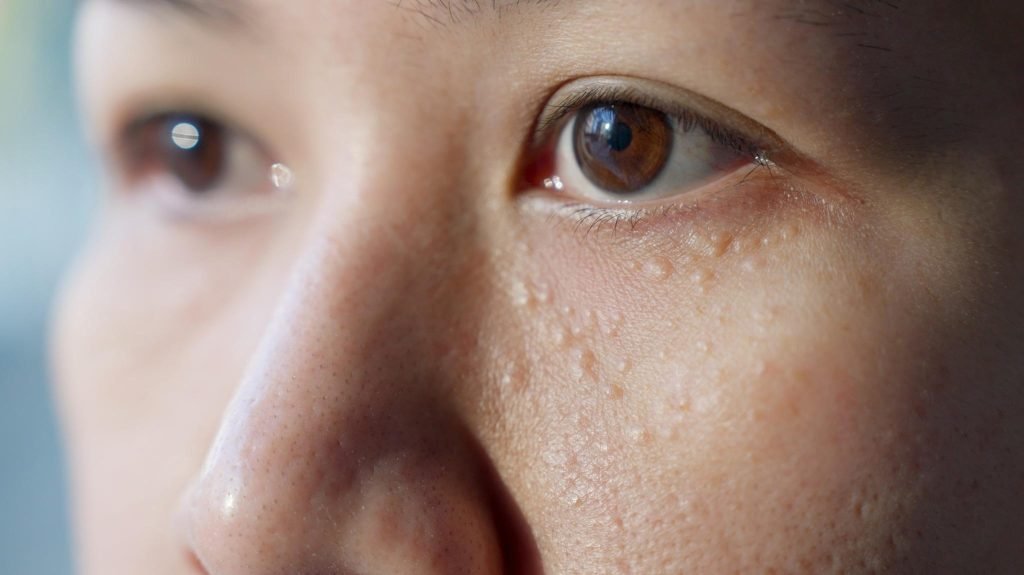
• milia
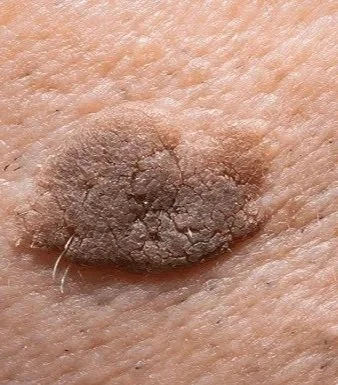
• seborrheic keratosis
Any lesion that is suspicious should be biopsied or excised for proper diagnosis and treatment. * The “ABCDE” mnemonic is helpful in identify lesions of concern:
A – Asymmetry: one half of the mole does not match the other half.
B – Border: the edges of the mole are irregular, notched, blurred or ragged.
C – Color: the mole has uneven or multiple colors.
*There are no dermatologists at Midwest Laser Centre. It is recommended that moles are assessed by your primary care physician or a dermatologist prior to laser ablation treatment. If the physician at Midwest Laser Centre is concerned that your mole(s) is at risk of a skin cancer, no laser treatment will be performed, and a referral will be made for excision of the suspicious lesion. E – Evolving: the mole is changing in size, shape, color, elevation, or is showing new symptoms like itching, crusting, bleeding, or pain.
D – Diameter: the mole is larger than 6mm in diameter.
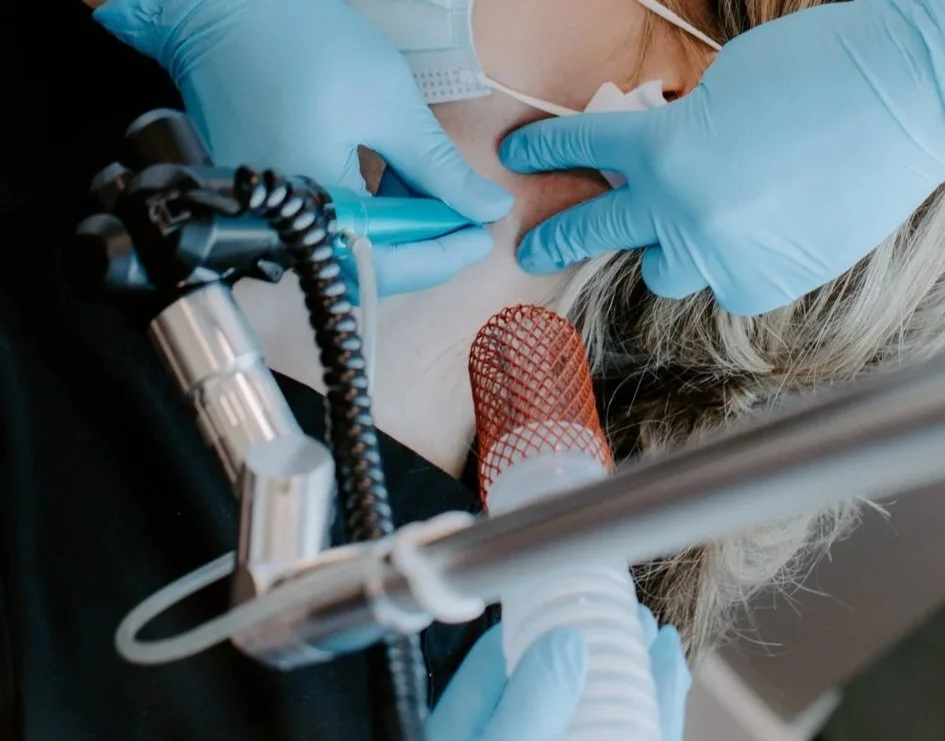
Laser ablation procedure for raised lesions:
A consultation with the physician at Midwest Laser Centre is required to determine whether your lesion(s) are appropriate for laser ablation, to review your medical history to ensure procedure safety, and to provide pre-treatment instructions.
The procedure will be explained at this consultation and there will be an opportunity to have your questions answered.
It is recommended that laser ablation be performed when the treatment area(s) are free of tan or recent UV exposure, so it may be recommended that you book this procedure in fall or winter when there is less natural sun exposure risk.
There is typically no need to take time away from work or regular activities with this treatment unless extensive areas or numbers of lesions are being treated.
What to expect during the laser ablation procedure:
Consent and photos are required for the medical record and will be taken before the procedure.Areas to be treated will be cleansed with a surgical solution to reduce the risk of infection.Each lesion is injected with local anesthetic for patient comfort. There is typically no discomfort once the lesion(s) have been “frozen”. Some very small lesions may be treated without local anesthetic.If there are many small lesions in an area, a topical anesthetic (numbing cream) may be used.Your eyes will be protected with laser safety goggles during the procedure.If the lesion being treated is located on the eyelid, the surface of your eye will be anaesthetized for comfort before a protective contact lens is inserted, as laser safety goggles would cover the lesion.The laser is then used to vaporize the lesion layer by layer.Following the laser treatment, the area(s) will be “raw” and need to heal.The new skin (epithelium) will be bright pink for several weeks, and in some individuals, remains pink for a few months.Care following treatment is simply to wash treated areas with a mild soap, pat dry, and apply Aquafor or Polysporin twice daily. A bandage is recommended in areas that may be rubbed or irritated by clothing, or if your workplace is an unclean environment.t is recommended to not pick, scratch or rub areas of treatment to reduce scarring risk.Concealer can be used after the scab falls off, as the treated areas will remain quite pink for a few weeks. For some individuals with sensitive skin, the pink may take several months to subside.
Small risks of treatment include:
InfectionBruising from anaesthetic injectionHypopigmentation (whitening of treatment area)A very small risk of scarringSome lesions may recur in time (the physician will let you know this risk, which depends on the type of lesion).
Your Pre & Post Care.
Common Questions
-
Most lesions will not require more than one laser ablation treatment. Some lesions may recur and require re-treatment in time. The physician will discuss this likelihood at the time of your consultation.
-
Although you could technically use an ablative laser to treat sunspots, Midwest Laser has a non-ablative laser that is a better choice for sunspot treatment. See our Sunspot page.
Angiomas are best treated with a non-ablative laser to reduce the risk of bleeding. Midwest Laser Centre has the Candela VBeam pulsed dye laser, which is the gold standard for treatment of vascular lesions. See Facial Vessels.
-
Care following treatment is simply to wash treated areas with a mild soap, pat dry, and apply Aquafor or Polysporin twice daily.
A bandage is recommended in areas under clothing that may be rubbed or irritated, or if working in an unclean environment.
It is recommended to not pick, scratch or rub areas of treatment to reduce scarring risk.
Concealer can be used after the scab falls off, as the treated areas will remain quite pink for a few weeks. Some individuals with sensitive skin may find the pink takes several months to subside.
Post care instructions will be verbalized at the time of your appointment and can also be found in your treatment confirmation email.
-
If you develop the following signs of an infection, please contact Midwest Laser Centre for review with the physician.
o Increased redness and swelling
o Rash or red streaks extending from treatment area
o Warmth around treatment area
o Increasing pain (there should be very little to no pain after this treatment).
o Pus or drainage from the area (note that it is normal for a clear/yellowish fluid to weep from the raw skin and form a scab)
o Fever and chills